
NEWS
Behind K-Pop, Religious Freedom Concerns in South Korea
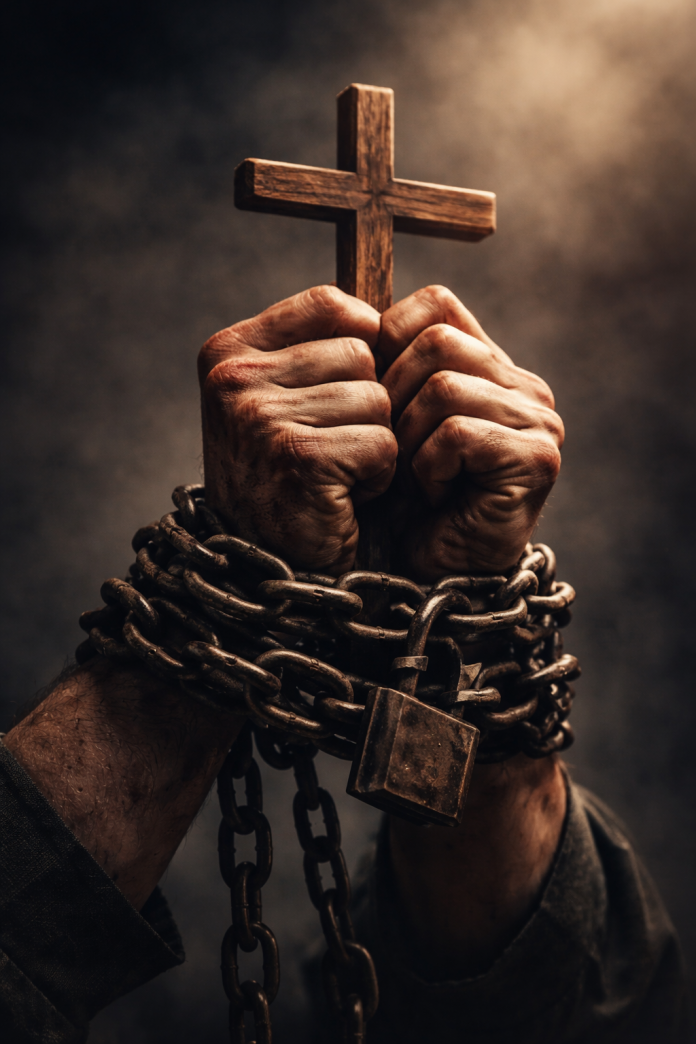
The South Korean government is facing growing domestic and international criticism after senior officials publicly named a specific religious group, used stigmatising language, and ordered investigations and what they described as its “eradication,” fueling allegations of religious persecution.
International observers, including U.S. President Donald Trump, have expressed concern that such actions may undermine core democratic principles, particularly freedom of religion and the separation of powers. Commentators abroad have noted the contrast between South Korea’s global image as a cultural powerhouse—known for K-Pop and K-Drama—and mounting concerns over a potential democratic backslide.
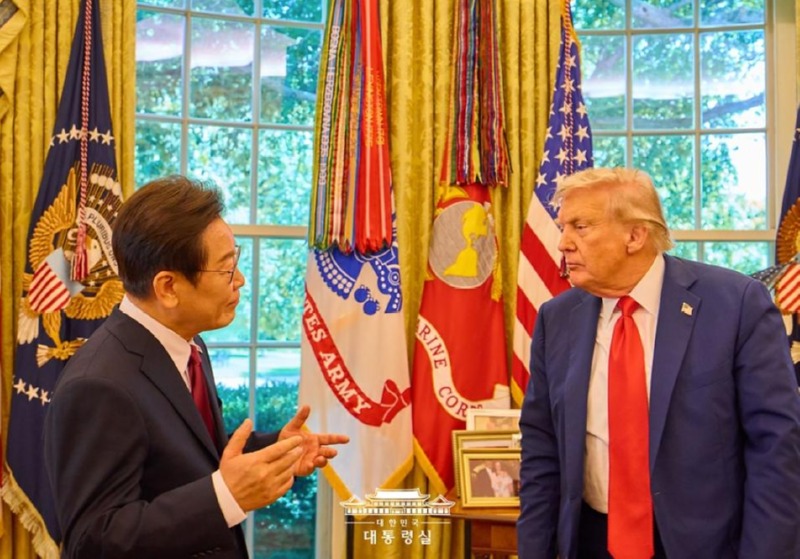
President Trump referred to raids on churches in South Korea during remarks made.
President and Prime Minister Label Specific Religion “Cult,” “Target for Eradication,” Drawing Widening Criticism
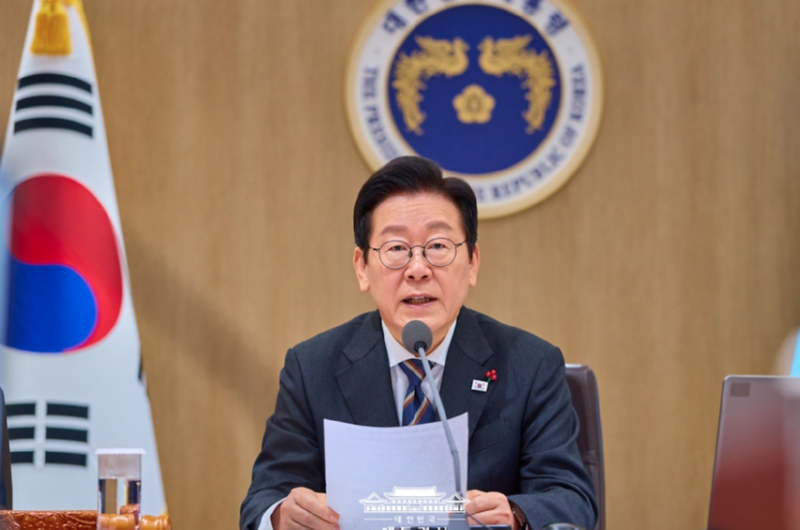
President Lee Jae Myung of the Republic of Korea
On January 12, President Lee Jae Myung publicly referred to Shincheonji Church of Jesus, the Temple of the Tabernacle of the Testimony (hereafter “Shincheonji”) and other religious groups, stating that “the harm they cause to society has been left unchecked for too long, resulting in serious damage.”
The following day, Prime Minister Kim Min-seok echoed the remarks during a Cabinet meeting, using terms such as “pseudo-religion” and “cult,” and ordered a joint investigation aimed at their “eradication.”
Following these statements, a joint investigative task force involving multiple law enforcement agencies has been formed, and investigations are currently underway. Discussions are also ongoing in the National Assembly regarding the appointment of a special prosecutor, raising expectations that coercive measures—including search and seizure operations—may follow.
Article 20 of the Constitution of the Republic of Korea guarantees freedom of religion as a fundamental right. Critics argue that repeated statements by the head of the executive branch—made prior to any judicial determination—effectively label a specific religion as a social harm, thereby encouraging stigma and hostility through the use of state power.
Given that President Lee was elected following the impeachment of a former president over unconstitutional actions, observers note that renewed rhetoric perceived as undermining constitutional principles raises serious concerns about democratic regression in South Korea.
Shincheonji Responds: “Repeated Targeted Investigations Amount to Religious Discrimination”
Shincheonji Church of Jesus, founded in 1984 by Chairman Lee Man-hee, is a Christian religious organisation that has experienced rapid growth in recent years, reporting annual increases of more than 100,000 members. Analysts suggest that the group’s expanding size and visibility may have contributed to heightened political and social scrutiny.
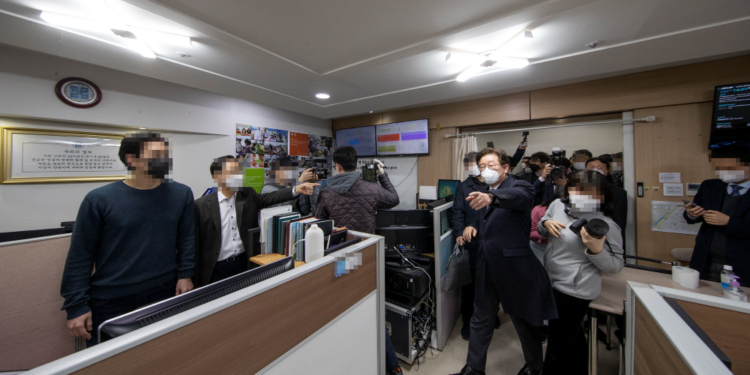
The organisation first became a major focus of state action during the COVID-19 outbreak in 2020. At the time, authorities conducted large-scale investigations and administrative measures over alleged violations of infectious disease laws. Shincheonji reported more than ten search-and-seizure operations targeting its headquarters and affiliated churches.
Then-Governor of Gyeonggi Province, Lee Jae Myung, personally led a forced entry into Shincheonji’s headquarters, symbolising the government’s hard-line stance.
Subsequently, South Korean courts acquitted Shincheonji of major charges, including alleged violations of the Infectious Disease Control and Prevention Act. In response, Shincheonji stated that “although numerous complaints and accusations have been filed against us, courts have consistently ruled no charges or not guilty,” adding that “issues already resolved by the judiciary are now being recycled as tools for political and public attacks.” The church emphasised that it is “a religious community with no intention of engaging in political conflict,” and urged authorities to “stop using a specific religion as a scapegoat while speaking of national unity.”
International Scrutiny Intensifies as Trump and Democracy Groups Voice Concern
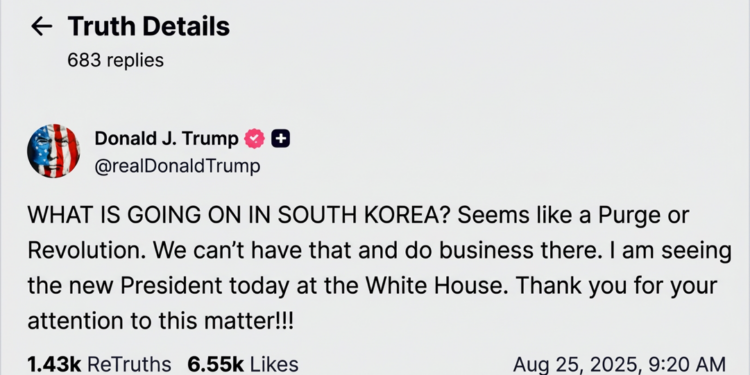
International concern has continued to mount. In August 2025, U.S. President Donald Trump said he had heard reports that the South Korean government was conducting “very vicious raids” on churches and entering U.S. military bases to gather information, adding that it appeared “a purge or a revolution may be taking place.”
After learning of large-scale raids on churches in South Korea, Trump further criticised the situation, calling it “a very bad thing.” Observers note that it is highly unusual for the leader of an allied nation to publicly express concern over another country’s internal law-enforcement practices.
The International Democracy Union (IDU) stated in December that continued monitoring of South Korea’s adherence to democratic principles and the protection of fundamental rights is warranted. The adoption of a formal resolution addressing democracy and the rule of law in South Korea is considered a rare occurrence.
The International Covenant on Civil and Political Rights (ICCPR) explicitly guarantees freedom of religion and stipulates that any state intervention must meet standards of legality, proportionality, and minimum impairment.
This case raises a broader question for liberal democracies worldwide: How far may state power intervene in matters of religion and fundamental civil rights? As South Korea’s democracy faces renewed scrutiny, international attention continues to grow.